Art Q&A ⋆⁺₊⋆
Which software do you use to draw?
For my art that is from 2025 or later, I've used Krita. Earlier stuff is made on phone with Ibispaint X.
Which brushes do you use?
You can get my Ibispaint brushes here. You can email me for my Krita brushes. I used modified brushes from Memileo Impasto brush set and the Ink P and Ink T brush sets by Ramon Miranda. I've also made my own.
Do you take commissions? Or sell prints?
No and No.
What do you use to ink?
I use the Tachikawa G-pen and the Saji-pen along with sumi ink. It can be used with water to make ink wash drawings. If I need water-proof ink, I'll use Kuretake black ink 60.
For paper, I prefer Bristol (toothy side) but I also use printer paper or fountain pen paper for sketches.
What do you use to sculpt?
The brand is Smarta Clay. It's foam clay, which is a plastic clay that air dries.
How do you pick colors?
Checking out values with the desaturate filter most apps have helps a lot. I make use of the digital medium a lot, gradient maps and all sorts of filters. It's important to take cues from analog painting, though. Such as woring in few layers and underpainting will help your values *pop*! If you are working in analog like watercolors, testing color schemes on thumbnails will make your jobs easier.
Artist's Guide to Dip Pens
This is the ultimate guide for artists that are curious about dip pens. I will be talking about ther advantages, disadvantages, the best options for artists and how to use dip pens. Hopefully this will answer all the questions you have so that you won't have to suffer like I did.
Why Use A Dip Pen?
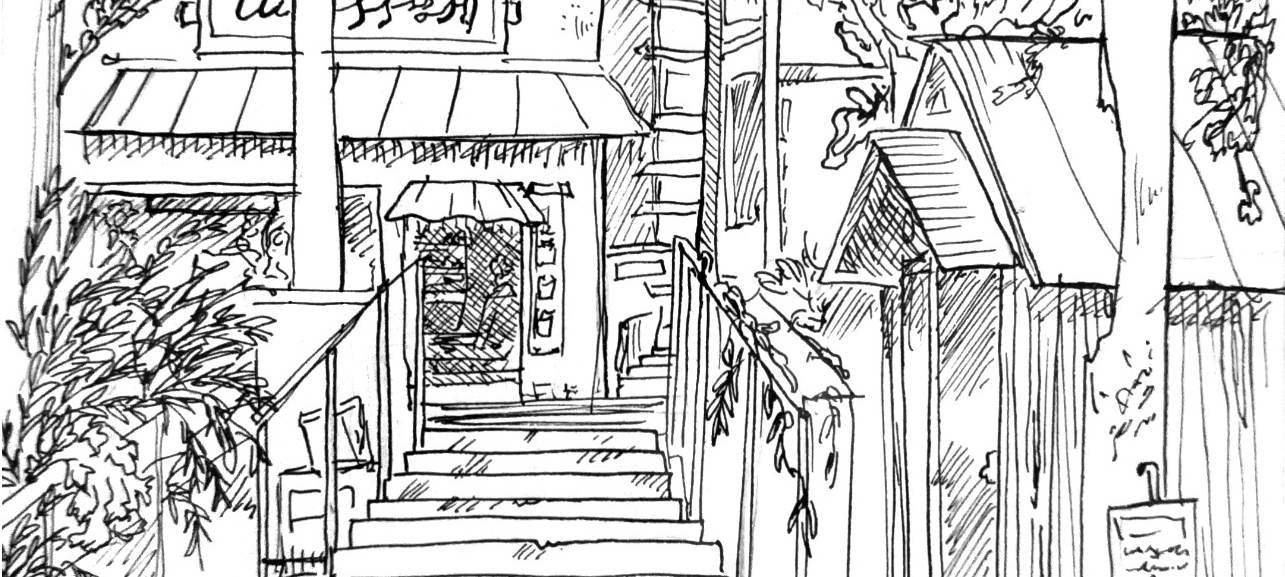
Dip pens are used as art tools to this day. Much like other art supplies, they have their own unique look. You can tell if an art piece is made with a brush pen, a dip pen or a fineliner. They are also like the middle ground between brush pens and fineliners.
Advantages:
- Dip pens provide line variance without being out of control like brush pens.
- The inks! You can pick whatever color you want and use that. For brush pens or fineliners, you just have to hope your favourite brand produces the color you want.
- Dip pens last a long time. The initial cost is more than other inking supplies but they last a long time to compensate for that.
- Inking with them is similar to inking digitally with a graphic tablet. So if you are a digital artist that likes using pen pressure, dip pens might be the best pick for you.
- It's fun. The noise it makes when you draw with it is pleasant.
Disadvantages:
- You have to dip them in ink. It's in the name. Some nibs are especially good at holding ink so you won't have to worry about them interrupting your workflow. However, some others do require more dipping.
- They don't work with textured paper. At all. The nib damages the paper and the paper damages the nib. The ink might also bleed. A bad combo all around.
- Not good for travelling. I'd reccomend against it if you like drawing outside.
- Dip pens can be hard to find in some places. You might have trouble finding the nib you want. I live in a megacity but even then I could only find them online in two stores... in the entire city.
If you decided to try dip pens like me and searched them online, you might have noticed there are a lot of different nibs and nib holders. A good chunk of them are not good for drawing. I have compiled a list of nibs good for specific art styles. List of Nibs That Are Good For Art
If you don't want to bother with all these options just buy a few manga pens or a Brause Steno.
Manga Nibs
Manga nibs are specifically made for drawing.
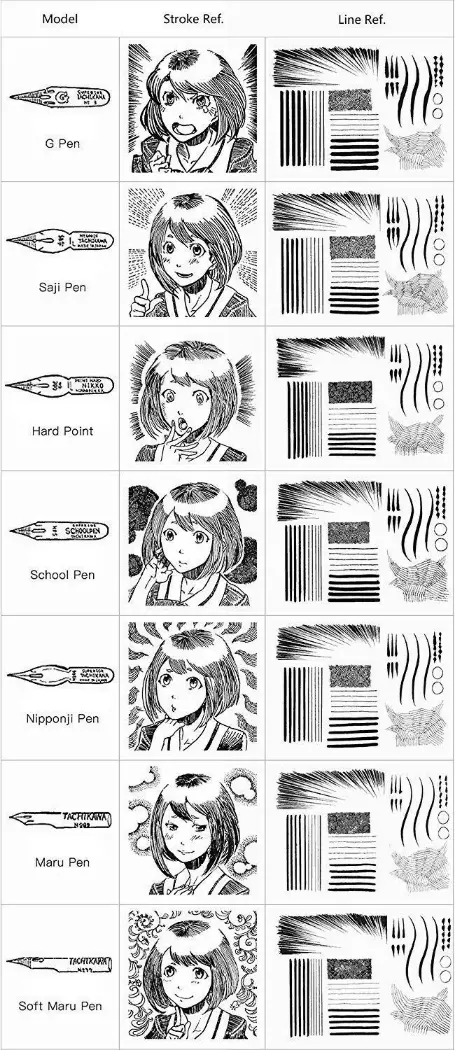
Say hi to the infographic I stole form the internet.
The G pen is the most popular one. It is a flexible nib. Which means it can go from thick to thin by applying pressure. Its flexibility makes it hard to use for beginners as flexible nibs can be hard to control. I have one of these and they are a good option if you are planning to buy only one nib. They hold a lot of ink too.
The Saji pen creates thin, uniform lines. It is used to draw in details or backgrounds. If you tilt it to it's side you can make thick lines with it, but you can't go from thin to thick like a g pen. This is a good pick if you don't want line variance. It is good for beginners.
The School pen is slightly more flexible than a saji pen. It is good for drawing architecture and objects.
The Nipponji pen is moreso used for writing japanese. It is like a mix between the g pen and the saji pen.
The Maru pen is a small size nib, unlike the nibs I mentioned before. Which means you need a pen holder that can hold one of these. This pen is draws uniform lines. It is a bit thicker than the saji pen.
The Soft Maru pen is a flexible version of the maru pen. It is notoriously difficult to use. It is delicate and can spray if used roughly. It has a lot to offer though. Definitely an interesting nib.
Brause Nibs
Brause is known for their high quality nibs. They are most known for their popular Brause Steno 361 (also known as the Blue Pumpkin) nib.
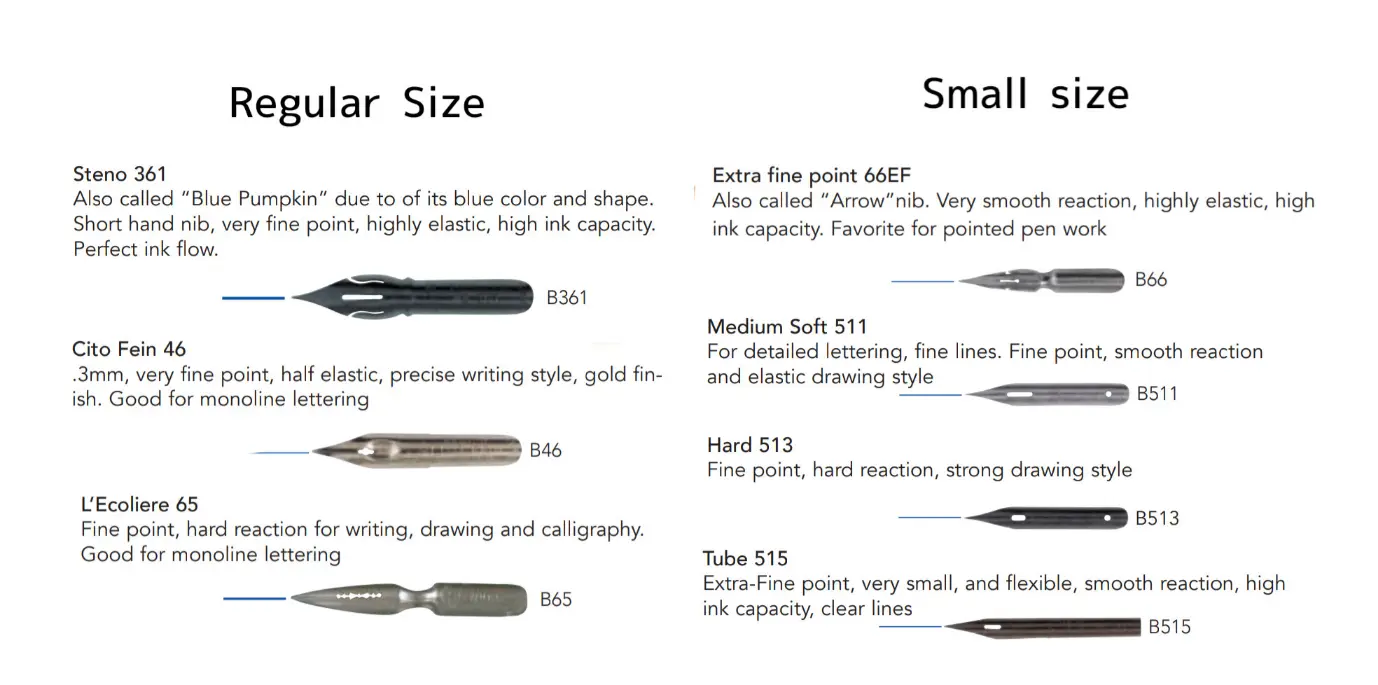
The Steno 361 is really similar to the g pen. It has good flexibility. It's spoon shape allows it to hold more ink than the g pen. It doesn't go as thin as a g pen though.
The Cito Fein 46 has no flexibility. It is similar to using a fineliner.
The L'Ecoliere 65 also has no flexibility. It is thicker than the Cito Fein. Its spoon shape allows it the hold more ink.
Extra Fine Point 66EF is super thin and flexible (might be too flexible honestly). Can hold a lot of ink for its size. It is rather delicate and hard to work with for a beginner. You can buy it along with an easier pen.
Medium Soft 511 and Hard 513 are pretty similar. 511 is a bit more flexible and scratchier. 513 works slightly better with textured paper like a hot press. These guys are super delicate.
Important note: These nibs and fhe 66EF are 3.5mm wide. The mapping/small size is 3.0mm. So depending on your holder these guys might not fit a mapping size holder.
The Tube 515 is hard to find. It has a really small point, high flexibility and a good ink capacity. Not worth the hassle but still an option.
Manuscript Nibs
The Manuscript Leonardt nibs can be quite good for drawing. Manuscript also has kits they sell if you want those. The kits have a few of these nibs and a nib holder.
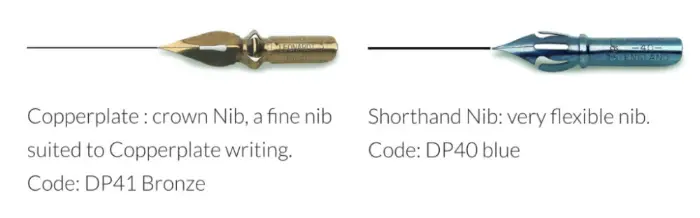
The Copperplate: Crown Nib (or the Leonardt 41 Hiro) is like the blue pumpkin nib but with thicker hairlines (hairline is the thinnest line the nib can produce reliably).
The Shorthand Nib (or the Leonardt 40) is blue pumpkin nib produced by Manuscript. It is the exact same as the Brause Steno but slightly less smooth. I have heard it has a shorter lifespan but I have not been able to confirm it. You can find this nib for a lot cheaper compared to the Brause Steno in some places.
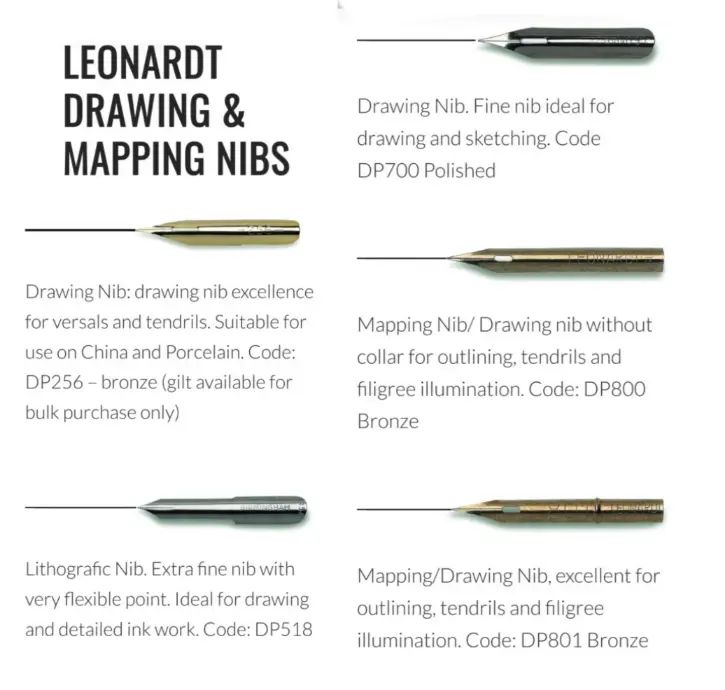
Manuscript also has drawing nibs. I haven't heard much about them. I can't reccomend them with the little knowledge I have. (Mapping ones are small sized, keed that in mind.) Some Important Notes
These are the list of nibs that are similar to a G pen or a Brause Steno. The only one I haven't mentioned above is the Hunt 101 (Hunt 101 is a bit too flexible for drawing in my opinion.).
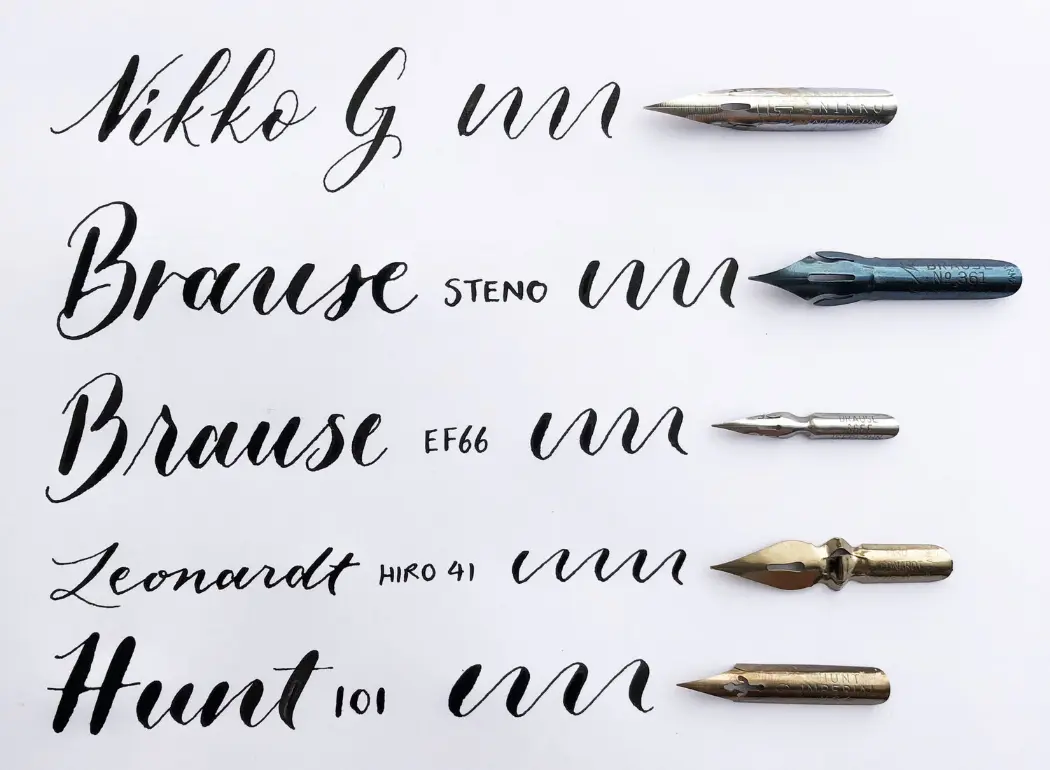
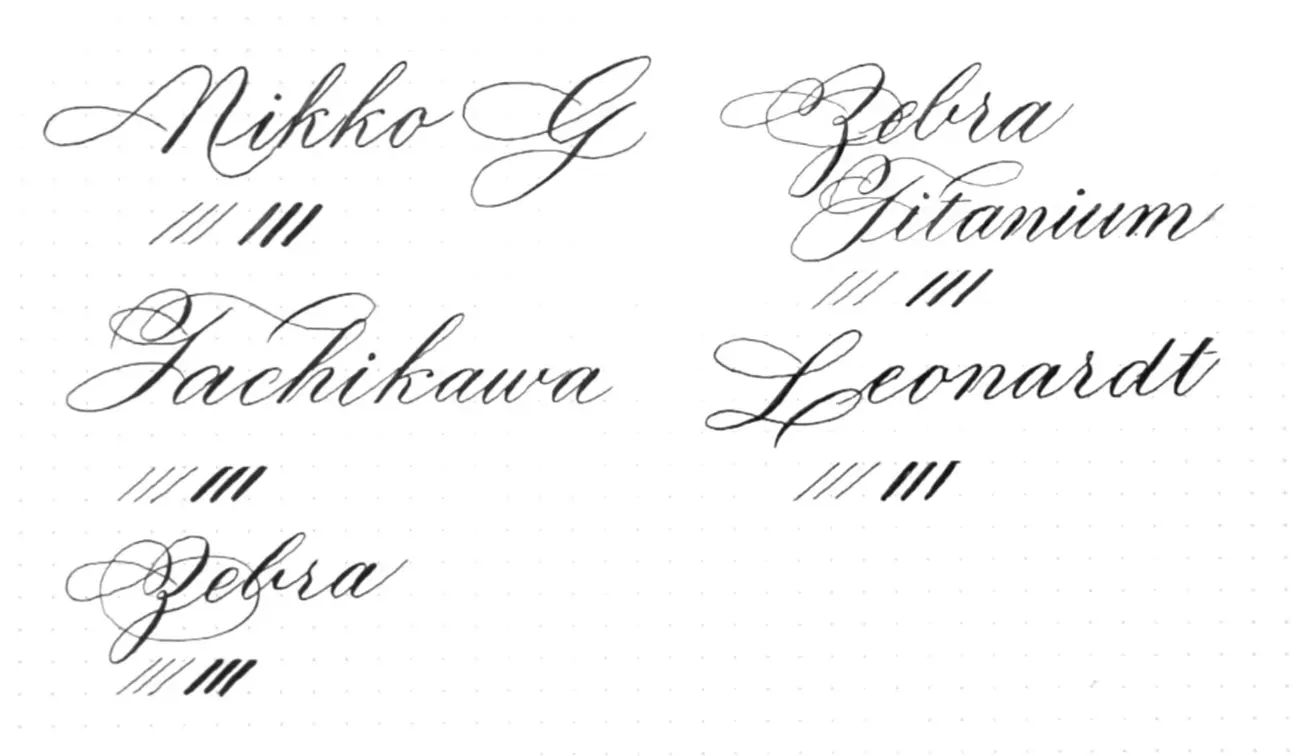
There is also different brands of G pen. Which one should you buy? Well, the general consensus is that Nikko G and Tachikawa G are the best ones. Zebra is fine, leonardt one is the worst one and not worth it. Mine is Tachikawa and it is pretty good. Tachikawa is hard to start. I need to keep a seperate paper with me so I don't accidentally ruin my drawing. Tachikawa is also more expensive than the Nikko G (but it also writes better.). Just buy either one, it doesn't matter.
Nib Holders
Insert Size
Nibs come in two standard sizes. The Regular size and the small/mapping size. A good majority of nibs fit into one of these categories.
Holders for the Regular size are the most common. If the product doesn't say which size it is, you can assume it's this one.
Mapping pen holders are for small size nibs.
There are also holder with two sizes on them. They have two holes for both sizes. Tachikawa T40 Holder is the most popular.
Universal inserts can hold almost any nib. They have a holle with four pieces in them like teeth. Speedball makes one of these I think.
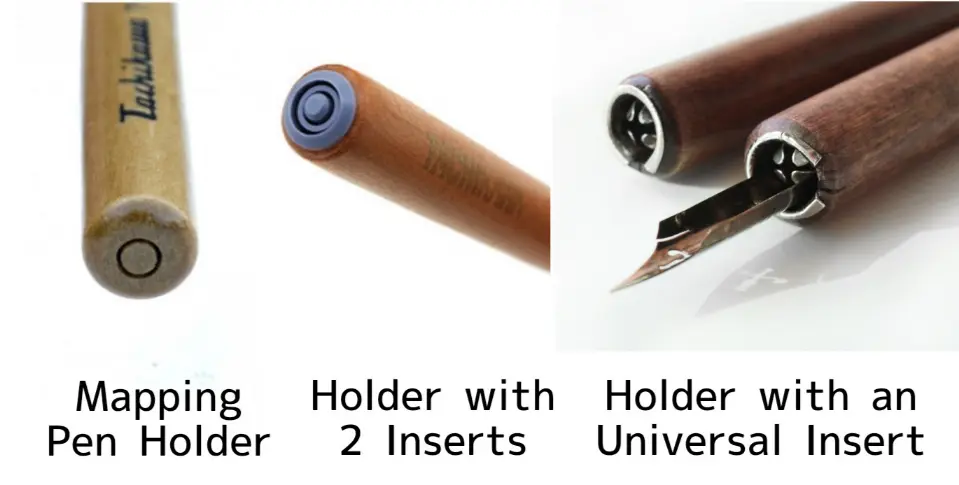
If you are only looking to get one get the 2 insert one or the universal insert one. They aren't hard to find. I couldn't find any good priced holders so I got a super cheap Mont Marte set and used the holder from that. Even that holder had two inserts.
Straight vs Oblique
Oblique holders are for writing with an angle for right handed calligraphers. I can't see why an artist would use them. They are usually made for specific nibs, so they are less versatile. Inks
You won't have to worry much about the type of ink. The best ink for dip pens are Indian Inks (moreso known as Chinese Ink in most languages), Sumi Inks and Walnut Inks. Fountain pen inks naturally work well with dip pens.
Sumi is the cheapest because it's not waterproof. This might not be the case if you live in a place where sumi ink is exclusively imported.
Walnut ink is a lot less acidic compared to other inks listed. It's a good practice ink and it damages your nib less.
Some inks might be toxic of prone to feathering so watch out for that. Drying time might be a consideration for you too.
Paper
This part is really important. Like I said before, dip pens don't work with textured paper.
For finished artworks, bristol paper and Deleter Comic paper work best. Bristol is thick and smooth. Deleter comic paper is specifically made for dip pens and drawing.
As for sketching and practice, printer paper works pretty well. If it's smooth enough and can handle ink, it's good with dip pens. Fountain pen paper, again, works well with dip pens.
Paper Gsm²
One more thing I want to mention is the gsm² of the paper. It means gram per meter square and refers to how thick the paper is. This doesn't matter as much as people say on the internet, but it is something to consider. If you don't want your inking to show through the paper you'll need 120+ gsm² minimum. If you don't care about bleeding anything over 60 gsm² will do. For reference, most printer paper is between 80-100 gsm².
How to Prepare and Use Dip Pens
Prep
Dip pen nibs come with a coating of oil to avoid rusting. In order for the nib to work well, you will need to remove the coating. There are a lot of ways to do it. Dish soap, acetone, toothpaste, fire, boiling water, even patatoes and fucking spit. Just use dish soap. Clean it for a minute. You can keep the ends with oil. That part goes in the holder so it might be nice to keep it from rusting.
How to Use Dip Pens
Insert the nib into the nib holder. Don't push it too hard, you might not be able to get it out.
When dipping it in ink, make sure the ink cover its vent hole. But don't go above that. Remove the excess ink. It might spill and ruin your drawing.
Keep the vent hole up while drawing. Please. Try to use your pen gently.
When drawing, draw your lines towards yourself. Don't push. If you have to turn around your paper while drawing you're doing a good job. Drawing to the side is fine for thin lines but becomes and issue with thick ones.
Lines done with a dip pen take longer to dry compared to other art supplies. Be very careful about smudging your ink.
If your pen has trouble starting, get a piece of paper to start the ink flow.
Make damn sure the ink is dried up before erasing your sketch, thicker lines take a surprisingly long time to dry.
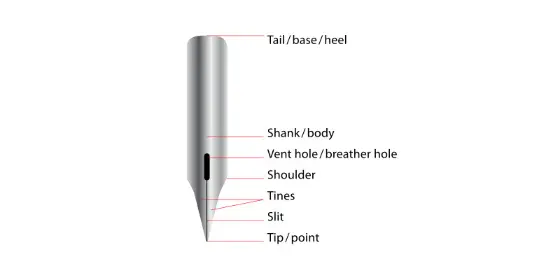
Make sure to clean your nib after use. Keep it away from water.
And this is it! Enjoy your dip pen!
Q&A
How long do nibs last?
Google might have told you 10-30 years or just a few weeks. Neither is correct. Only fountain pen nibs last years. Dip pen nibs are much more flexible and brittle. How much they last depends on how much you use it, how you clean it, what brand it is and what ink you use. They last around 3 months, if tou draw as much as the average artist does.
How many nibs do I need?
I reccomend 2 or 3. Only one will be just fine though.
What about glass dip pens?
They are not for style only, surprisingly. Their tip allows it to hold a lot more ink. They don't rust like metal nibs but they are also more brittle than them. Rusting wasn't a big issue for nibs since most don't last long enough to start rusting anyway. Lines from the glass pen also gets thinner as it runs out of ink, so the lines aren't consistent. They feel like a worse version of a fountain pen to me. The only advantage it has over fountain pens is that you can write with whatever color you want. How do I know when to change my nib?
When it starts causing trouble for you. This is a bit vague so I'll give some examples:
- Once the slit has opened up enough for you to see through it. You will not get the thin lines you want.
- The two tines have split apart.
- The tip is damaged.
- The ink doesn't flow well anymore.
And this is all the information I have compiled about drawing with ink pens. I hope this was helpful.